
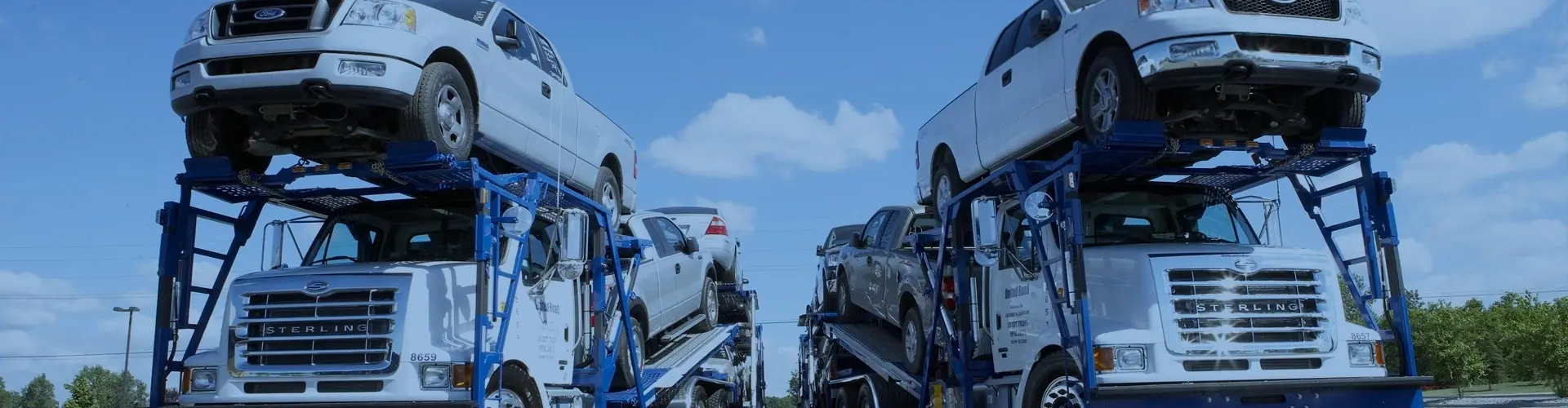
Why Snowbirds Choose Texas Auto Transport
Shipping your car to your winter residence (and back again) eliminates long days on interstates, hotel nights, and fatigue—especially if you’re coordinating pets, luggage, or medical appointments. Door to door car shipping lets you match your arrival to a flight schedule or a comfortable drive in a second vehicle. It also reduces wear and tear, keeps mileage low, and ensures you’re not wrestling with uncertain winter road conditions in the Midwest, Plains, or Mountain states. For many snowbirds, the all-in cost of fuel, lodging, and time closely rivals a professionally planned shipment—and the convenience is hard to beat.
Seasonal Patterns and Booking Windows
Southbound demand to Texas climbs in late fall; northbound demand rises in spring. Capacity tightens during these peaks, so book earlier to hold favorable windows. On dense Texas lanes (Dallas–San Antonio–Houston–Austin and the I-35/I-45 corridors), standard pickup windows of 1–3 days are common in shoulder months, while peak weeks may require extra notice. Many shippers release quotes rapidly once your details are set, giving you a quick snapshot of market options to consider.
Compliance and Credentials: What to Verify
In Texas, carriers must comply with state licensing and federal safety standards (FMCSA). Reputable providers maintain active operating authority, carry cargo insurance, and meet weight/equipment regulations. Ask for MC and USDOT numbers; professional teams will share them readily. You can also request these identifiers from the company during the quoting process. This quick check ensures you’re working with a legitimate, insured carrier—especially important for seasonal shipments when you may be out of state during pickup or delivery.
Open Carrier or Enclosed Transport for Snowbirds?
Open carrier is the best value and has the most capacity on Texas lanes—ideal for daily drivers, SUVs, and trucks. You can request top-load placement to reduce exposure to fine road spray. Enclosed transport shields vehicles from weather and road particles and is preferred for high-value classics, luxury models, recent restorations, or low-clearance sports cars. Enclosed availability can tighten during peak weeks; booking early preserves timing, while off-peak travel increases flexibility and often reduces cost.
Door to Door or Planned Meet-Up?
Door to door applies when a full-size carrier can safely stage on your street. Urban neighborhoods, gated communities, or RV parks with tight turns may need a planned meet-up on a wide, flat road nearby. The auto transport insurance protections and inspection process are identical; only the location changes. For snowbirds, meet-ups are common near community clubhouses, big-box lots with permission, or along wide arterials that keep traffic stress low and loading angles safe.
Texas Pricing Factors You Should Expect
Your auto transport quote reflects distance, lane density, season, carrier capacity, fuel, tolls on some routes, equipment choice, and timing constraints. Southbound fall flows and northbound spring flows can elevate demand, nudging rates higher. Rural origin/destination points may require repositioning miles to reach you. Conversely, major metros like Houston, Dallas–Fort Worth, Austin, and San Antonio typically offer more frequent capacity and competitive pricing. Fast quote comparisons let you see current market conditions side by side.
Timing Expectations on Popular Texas Lanes
On common in-state routes, standard pickup windows are often 1–3 days after booking, with delivery windows that follow distance and the carrier’s route cadence. For long interstate routes (to or from the Upper Midwest or Northeast), build in realistic transit time plus a buffer at each end for staging. If your date is firm—say, a home closing or surgery—ask for priority dispatch or a guaranteed pickup band. Guarantees cost more because dispatch removes flexibility, but they protect immovable dates.
How to Prep Your Vehicle for a Smooth Handoff
Wash the vehicle so inspection photos clearly show the surface. Reduce fuel to about a quarter tank. Remove personal items (most carriers cannot insure loose contents). Disable alarms or provide instructions. If you have a wheel lock key or special start sequence, place them in a labeled envelope. For low cars, share ground clearance and any splitter/valance notes; for lifted trucks or roof racks, provide height to the highest point. These small steps speed loading and minimize surprises at the curb.
Documents and the Bill of Lading
At pickup, the driver completes a Bill of Lading (BOL) noting the vehicle’s condition; you or your authorized contact should take time-stamped photos (all sides, roof, wheels, glass, VIN plate, and odometer if visible) and sign. At delivery, repeat the check and note exceptions on the BOL before signing. Some providers may ask for registration and proof of insurance depending on their policies; have your driver’s license ready too. The BOL plus photos is your proof set if a claim is needed later.
Working with Retirement Communities, RV Parks, and HOAs
Many Texas retirement communities and RV resorts welcome carriers but require appointments, specific gates, or staging areas. If a full-size truck can’t stage near your unit, coordinate a meet-up on a wide road or overflow lot. Share gate codes, guard instructions, and loading hours with dispatch. For spring returns, arrange a staging area at your northern address as well, especially if winter remnants or narrow streets could block a carrier’s path.
EV Snowbirds: State of Charge and Transport Mode
Ship EVs at a moderate state of charge (commonly 30–50% for ground transport) and confirm the 12-volt battery is healthy so transport mode or neutral engages instantly. Provide PIN-to-drive steps if applicable. Low-nose EVs often benefit from lower-deck assignments on open carriers or enclosed transport with a liftgate. Photograph the instrument cluster showing SOC at pickup and delivery and record SOC on the BOL.
If the Vehicle Won't Start, Steer, or Brake
Inoperable shipments require honest disclosure. Many non-running cars can load safely with winch service if wheels roll and steering works. Locked wheels or electronic park systems may need skates/dollies; some controlled yards allow forklifts, which add risk and fees. Accurate notes prevent dry runs and late-day surprises. Your written quote and the BOL should mirror the planned method (winch/dollies/forklift) to keep expectations and invoices aligned.
Reading and Comparing Texas Quotes
Read beyond the total. Confirm equipment (open carrier or enclosed transport), timing (pickup window and delivery window), deck preferences (e.g., top-load placement), and any accessorials (tolls, terminals, storage). If you need speed, check whether the plan is priority dispatch or guaranteed pickup/delivery and what happens if a window is missed for reasons within the carrier’s control. Comparing multiple quotes helps you see true market range in minutes.
Popular Snowbird Lanes In and Out of Texas
Common flows include: DFW → Upper Midwest, Houston → Chicago/Detroit, San Antonio → Kansas City/St. Louis, Austin → Denver/Front Range, Gulf Coast → Southeast/Carolinas. City cores often require meet-ups, while suburbs and master-planned communities provide easier staging. If you’re coordinating two vehicles, consider staggering pickups (one day apart) to keep staging simple at both ends. Seasonal return trips often price differently than the southbound leg—directionality matters in every market.
Red Flags to Avoid During Peak Season
Be cautious with unrealistically low prices that promise exact hours without terms, large upfront payments with no clear refund policy, and providers unwilling to share MC/USDOT or proof of insurance. Ignore quotes that skip access planning or refuse to put windows in writing. The best partners explain tradeoffs (speed vs cost vs protection) and document your plan so the truck that shows up matches the truck you expected.
How Texas Auto Transport Helps Snowbirds
We simplify decision-making with clear, written options. You’ll see up to 10 free quotes from bonded and insured carriers showing equipment, timing, access notes, and special handling. We flag HOA or RV park constraints early and suggest workable meet-ups to protect your schedule. You pick the balance of cost, protection, and speed; we confirm details so dispatch assigns the right truck and your BOL “writes itself” at pickup.
A Snowbird-Friendly Timeline You Can Copy
Four weeks out: choose open vs enclosed and request quotes. Three weeks: confirm addresses, access notes, and your earliest pickup/latest delivery. Two weeks: select provider, approve written windows, and notify your community or RV park. One week: prep the car (wash, quarter tank, remove personal items), place keys and documents, and share backup contacts. Pickup week: meet the driver, complete the BOL with photos, and keep your phone on. Delivery: inspect, note exceptions (if any), sign, and enjoy the season.
Ready to Plan Your Snowbird Move?
You’ll receive side-by-side options with prices, pickup windows, delivery windows, equipment, and access plans—so you can book with confidence, clarity, and a schedule that fits your season.