
Texas Auto Transport Services
We offer a full range of Texas auto transport options to match your vehicle, timeline, and budget — open and enclosed transport, door-to-door and terminal service, expedited shipping, and specialized handling for electric vehicles, classic cars, and non-running vehicles. Every carrier in our network is verified through the Federal Motor Carrier Safety Administration (FMCSA) and carries current cargo insurance before they handle any customer’s vehicle. Whether you’re moving a daily driver across the state or shipping a collector car to a new home out of state, the right service level and carrier are available on your route.
Open Auto Transport
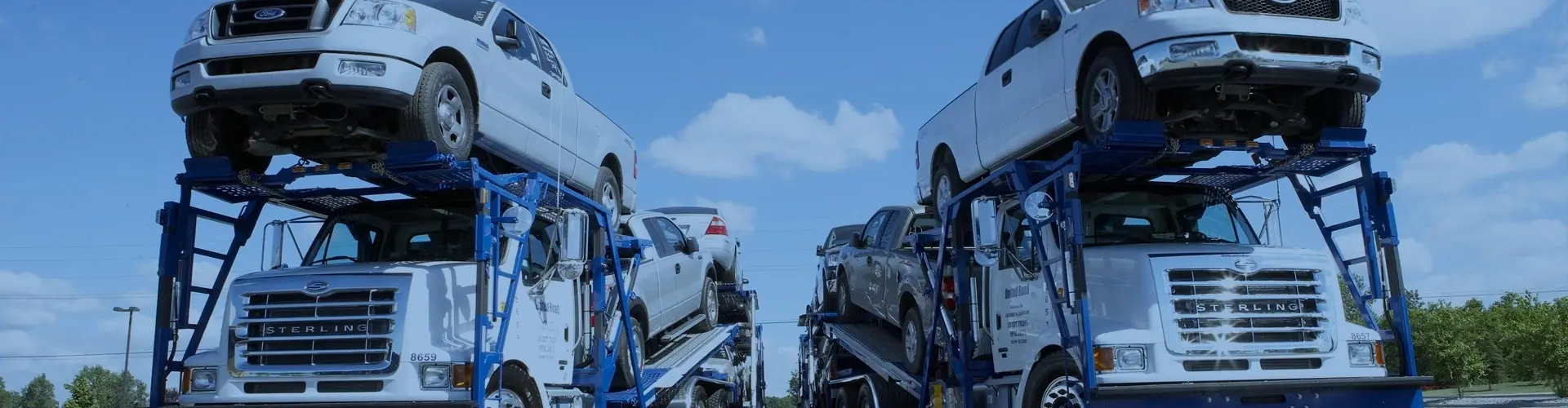
The most popular and affordable option. Your vehicle is loaded onto a standard multi-car open carrier — the same method used to deliver new cars from factories to dealerships. Best for everyday vehicles: sedans, SUVs, trucks, and minivans in good condition.
Enclosed Auto Transport
Full protection from weather, road debris, and West Texas dust. The right choice for luxury vehicles, classic cars, and exotics on longer Texas hauls where exposure to the elements is a real concern.
Door-to-Door Transport
The carrier picks up at your Texas address and delivers straight to the destination — no terminal drop-off required. The most convenient option, and the one most customers choose.
Terminal-to-Terminal Transport
Drop off and pick up at a designated terminal near you and near your destination. A lower-cost alternative for flexible schedules, available in most major Texas metros.
How Texas Auto Transport Works
Shipping a car to or from Texas comes down to four steps, from your first quote to signing off at delivery.
Get Free Quotes
Fill out the form on this page or call 1-800-590-6492 for up to 10 free quotes from carriers running your route. Comparing multiple quotes is the best way to confirm a fair price.
Choose Your Carrier and Book
Compare quotes, verify the carrier’s MC number at FMCSA SAFER, confirm current insurance, and book. Our guide on questions to ask before booking covers what matters.
Prepare Your Vehicle
Remove personal items, leave a quarter tank of fuel, take date-stamped photos, and disable toll transponders. Sign the Bill of Lading carefully at pickup — it’s your primary record if you need to file a claim.
Track and Complete Delivery
Most carriers send updates during transit. At delivery, inspect the vehicle thoroughly before signing off, and note any new damage on the Bill of Lading before the driver leaves.
Texas Auto Transport Routes
We ship to and from all 48 contiguous states, with weekly dispatch on most major routes. Select a region below to find your destination state:
*Texas to Virginia had no supporting route data in current site content — confirm this page exists before publishing. Select any destination state above to view route-specific rates and transit times. For any state not shown, call 1-800-590-6492 or view all Texas auto transport locations.
Texas Auto Transport — Cities We Serve
We provide Texas auto transport pickup and delivery throughout the state every week. Select your region to find your city:
- Dallas
- Fort Worth
- Arlington
- Garland
- Irving
- Grand Prairie
- Frisco
- Carrollton
- Denton
- Lewisville
- Allen
- Richardson
- Flower Mound
- North Richland Hills
- Duncanville
- Hurst
- Rockwall
- Burleson
- Lancaster
- The Colony
- Little Elm
- Southlake
- Weatherford
- Mansfield
- Rowlett
- Euless
- DeSoto
- Grapevine
- Cedar Hill
- Haltom City
- Wylie
- Keller
- Coppell
- Sherman
- Cleburne
- Greenville
- Texarkana
- Wichita Falls
- Waxahachie
Texas Auto Transport Resources & Guides
Practical guides to help you plan and book your Texas auto transport with confidence:
Top Questions to Ask
The questions that separate a legitimate carrier from a problem before you ever sign anything.
Understanding Auto Transport Insurance
What your carrier’s cargo insurance actually covers — and what it doesn’t.
How to Spot and Avoid Scams
Warning signs of auto transport scams targeting Texas shippers, and how to verify a company before you pay anything.
Verify Your Texas Auto Transport Carrier
Before signing with any Texas auto transport company, take two minutes to verify their federal registration and insurance coverage using these free public databases. An active MC number and current cargo insurance certificate are the minimum requirements for any legitimate carrier or broker — and the absence of either is a serious red flag that should end the conversation immediately. These are the same tools industry professionals use, available to anyone at no cost.
FMCSA SAFER System
The Federal Motor Carrier Safety Administration’s database lets you look up any carrier or broker by DOT or MC number. Confirm their registration is active, check their safety rating, and verify insurance filings. This is the most important check you can make.
Better Business Bureau
Search a company’s BBB profile to review complaint history, how complaints were resolved, and overall accreditation status. How a company handles disputes tells you more than their marketing.
Texas Traffic Conditions
Current highway traffic and road condition information for Texas. Useful for understanding potential delays affecting pickup or delivery scheduling on your route.
Texas Weather Conditions
Weather can impact transport scheduling, especially for coastal routes during hurricane season or Panhandle routes in winter. Check current and forecast conditions for your pickup and delivery areas.
Texas Auto Transport — Frequently Asked Questions
How much does Texas auto transport cost?
Rates depend on distance, vehicle type, transport method, and current carrier availability. Short in-state routes cost less; cross-country shipments from Texas run higher for a standard sedan on an open carrier. Enclosed transport adds roughly 30–40% to the rate. See the Texas Auto Transport Rates page for a full breakdown, or get free quotes for your specific route.
How long does Texas auto transport take?
In-state Texas transport typically takes 1–3 days, though a large state means an El Paso pickup can add time compared to Houston or Dallas. Routes to nearby states usually run 2–5 days. Cross-country shipments to the East or West Coast can take 7–10 days. All transit estimates are provided at booking based on the specific route and current carrier schedules.
Is my vehicle insured during transport?
Yes. All FMCSA-licensed carriers carry cargo insurance included in your quoted rate. Open carriers typically carry $100,000–$250,000 per load; enclosed carriers commonly carry $500,000 or more. Learn more about what auto transport insurance covers.
What is the difference between open and enclosed auto transport?
Open transport is the standard option — your vehicle rides on a multi-car open carrier, exposed to weather and road debris. It’s the most affordable choice and right for most vehicles. Enclosed transport loads your vehicle into a covered trailer, providing full protection from weather, dirt, and road debris — the right call for luxury, classic, and high-value vehicles.
Can I put personal items in my car during transport?
Most carriers limit personal items to 100 lbs or less stored in the trunk — not on seats or in the passenger cabin. Personal belongings are not covered by carrier cargo insurance if damaged or stolen. Always confirm the carrier’s policy when booking.
How far in advance should I book Texas auto transport?
Booking 7–14 days before your desired pickup date gives you the best combination of carrier availability and competitive pricing. Last-minute bookings (under 48 hours) typically cost more and limit your carrier options. Military customers with PCS orders should book as early as possible.
Do you offer military car shipping discounts?
Yes. Active duty military, veterans, and military families qualify for a discount off standard rates — especially relevant with the number of major installations across Texas. Mention your military status when you call 1-800-590-6492 or note it in the quote form, and the discount is applied to all quotes you receive. Student and multi-vehicle discounts are also available.
What should I do before my vehicle is picked up?
Remove personal belongings beyond what the carrier allows, photograph all existing exterior damage thoroughly, ensure your gas tank is no more than ¼ full, disable any toll transponders, and confirm the vehicle is in running condition. At pickup, review and sign the Bill of Lading carefully — it’s your primary document for any insurance claim at delivery.
Ready to Ship Your Vehicle to or from Texas?
One form gets you up to 10 free quotes from licensed, insured carriers running your route today. Compare rates and transit times — then book only when you’re ready.