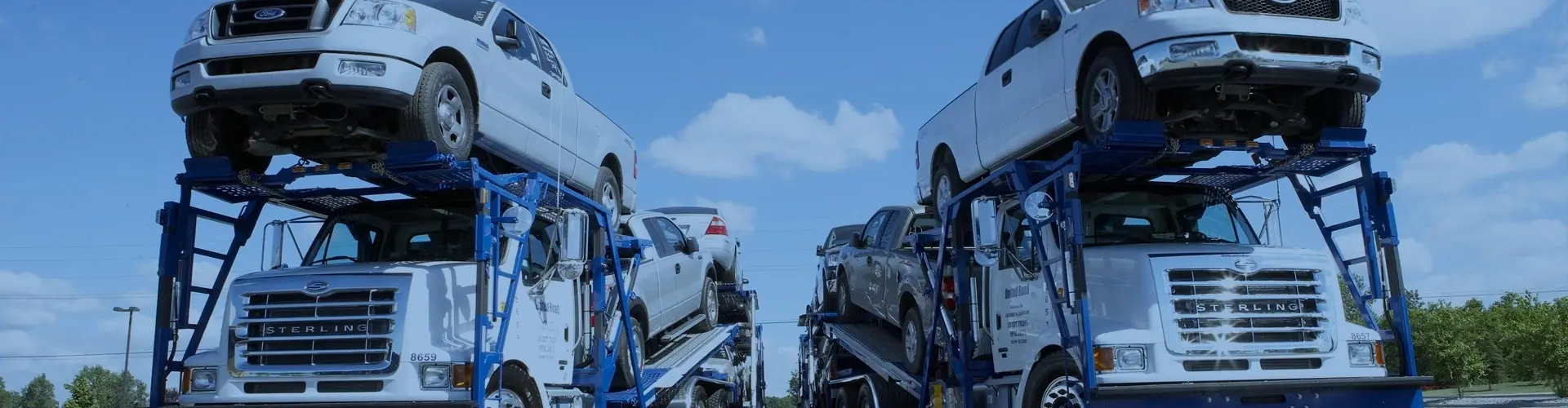
Understanding Auto Transport Insurance

Understanding Auto
Transport Insurance

What’s covered, what’s not, and how to protect your vehicle during shipping.

Get Free Quotes

Get Up to 10 Free Quotes from Insured Texas Carriers

When shipping your vehicle across Texas or beyond, understanding auto transport insurance is crucial for your peace of mind. Every legitimate carrier is required by law to carry insurance that protects your vehicle while it’s in their care—but knowing exactly what’s covered (and what isn’t) makes all the difference.

With Texas Auto Transport, you can review up to 10 free quotes from bonded and insured carriers and compare not just prices but also insurance coverage levels.

  • What standard carrier insurance covers
  • Common exclusions you need to know
  • The Bill of Lading—your most important document
  • How to file a claim if damage occurs

Free Texas Auto
Transport Quotes

Or call 1-800-590-6492

What Is Auto Transport Insurance?

Auto transport insurance is specialized coverage designed specifically for vehicles being transported on carriers. This insurance differs from your personal auto insurance and provides protection specifically during the shipping process. Every legitimate auto transport company is required by law to carry insurance that protects your vehicle while it’s in their care.

The carrier’s insurance covers vehicles being transported in case of accidents or damage during the shipping process. The transport carrier is responsible for damage that occurs while the vehicle is in their custody—from the moment it’s loaded at pickup until it’s unloaded at delivery.

Standard Coverage in Auto Transport Insurance

When you ship your vehicle with a licensed auto transport carrier in Texas, the standard insurance coverage typically includes protection against damage that occurs during the loading, transport, and unloading processes. This includes:

  • Damage from road debris striking your vehicle on the carrier
  • Accidents involving the transport truck
  • Damage during loading and unloading procedures
  • Weather-related incidents during transit (hail, wind-blown debris)
  • Theft or total loss while in the carrier’s custody

You can streamline your understanding of a transport insurance policy by focusing on the declaration or overview pages containing the insuring agreement, exclusions, and policy limit sections.

Common Types of Coverage

The primary coverage provided by auto transport carriers includes protection against external damage to your vehicle. This encompasses dents, scratches, and other physical damage that might occur during transport. Additionally, protection typically extends to situations involving theft or total loss while the vehicle is in the carrier’s custody.

Coverage levels vary by carrier. When comparing quotes, look at:

  • Liability limits—the maximum payout per vehicle or per incident
  • Deductible amounts—what you pay out of pocket before coverage kicks in
  • Cargo insurance—specifically covers the vehicles being hauled
  • Comprehensive vs. collision-only—whether non-accident damage (weather, theft) is included

What’s Not Covered by Auto Transport Insurance

Understanding what’s not covered is just as important as knowing what is. Common exclusions include:

  • Pre-existing damage—anything documented on the Bill of Lading at pickup
  • Personal items left inside the vehicle (most carriers advise removing all belongings)
  • Mechanical issues unrelated to the transport process (normal wear, pre-existing conditions)
  • Acts of God—some natural disasters may have limited coverage or require additional protection
  • Damage not noted on the delivery Bill of Lading—if you sign off without documenting new damage, the claim will likely be denied

This is why thorough documentation of your vehicle’s condition before and after transport is absolutely crucial.

Get Up to 10 Free Texas Auto Transport Quotes

Licensed, bonded and insured carriers. Real rates. No obligation.

Insurance Requirements in Texas

Texas has specific requirements for auto transport companies operating within the state. All carriers must maintain adequate insurance coverage to protect vehicles in their care. This includes comprehensive coverage that meets or exceeds federal requirements for motor carriers.

At Texas Auto Transport, we ensure all partner carriers meet or exceed these requirements. Before booking, you should always:

  • Request the carrier’s insurance certificate (Certificate of Insurance)
  • Verify the policy is current and not expired
  • Confirm the coverage limits are adequate for your vehicle’s value
  • Check the carrier’s FMCSA registration and authority status

The Bill of Lading: Your Most Important Document

If you remember only one thing from this guide, let it be this: the Bill of Lading (BOL) is the most important document in the entire shipping process. It is your receipt, your contract, and your inspection report all rolled into one.

The BOL serves two critical functions for insurance purposes:

  • Official shipping document—lists vehicle information, pickup and delivery locations, and transport terms
  • Official condition report—at pickup, you and the driver inspect the vehicle together and mark a diagram with any pre-existing scratches, dings, or other damage

When the driver arrives, you perform a walk-around inspection together, noting every existing scratch, dent, and chip on the BOL diagram. You both sign it, establishing the baseline condition of the vehicle. At delivery, you repeat this inspection process.

Crucial Warning: If damage is not noted on the Bill of Lading at delivery, the insurance company will deny your claim. Never rush through the delivery inspection.

Documentation and Claims Process

Proper documentation is essential for insurance purposes. Before transport, you should thoroughly inspect your vehicle and document its condition with detailed photos and videos. This documentation becomes crucial if you need to file a claim.

Best practices for documentation:

  • Take time-stamped photos of all sides, roof, glass, wheels, and VIN plate
  • Photograph any existing damage close-up with a reference point for scale
  • Record a walk-around video in good lighting conditions
  • Note the odometer reading
  • Keep copies of the signed Bill of Lading from both pickup and delivery
  • If delivery occurs in dark or wet conditions, dry panels and use a bright diffuse light to inspect properly

Additional Protection Options

While basic coverage is included in your auto transport service, some situations may warrant additional protection. Options include:

  • Supplemental gap insurance—covers the difference between carrier liability limits and your vehicle’s full value
  • Zero-deductible upgrades—eliminates out-of-pocket costs if a claim is filed
  • Enclosed transport—provides physical protection from road debris, weather, and UV exposure in addition to insurance coverage
  • Top-load placement—on open carriers, reduces risk of fluid drips from vehicles above

High-value vehicles, classic cars, or luxury automobiles often benefit from enclosed transport combined with higher coverage limits. Compare different insurance options and balance cost/coverage against your risk tolerance and vehicle’s value.

Get Up to 10 Free Texas Auto Transport Quotes

Licensed, bonded and insured carriers. Real rates. No obligation.

Tips for Ensuring Proper Coverage

To maximize your protection during auto transport, follow these guidelines:

  • Choose a reputable carrier with proper insurance—verify their FMCSA authority and insurance status
  • Request and review the carrier’s insurance certificate before booking
  • Ask specific questions: What are the liability limits? Is there a deductible? What’s the claims timeline?
  • Remove all personal items from the vehicle—they won’t be covered
  • Document everything with photos and video before and after transport
  • Read the Bill of Lading carefully at both pickup and delivery—never sign without inspecting
  • Keep all paperwork and communication records for at least 90 days after delivery

At Texas Auto Transport, we provide up to ten free quotes from verified carriers, allowing you to compare not just prices but also insurance coverage levels.

Making a Claim

If damage occurs during transport, knowing the proper procedure for filing a claim is essential. Follow these steps to protect your interests:

  • Document immediately—note any new damage on the delivery Bill of Lading before signing
  • Photograph everything—take detailed, time-stamped photos of the damage from multiple angles with a reference point for scale
  • Notify the carrier in writing—send an email or written notice to the carrier within 24 hours of delivery
  • Request the claims process—ask for the carrier’s specific claims form and filing instructions
  • Gather supporting documents—compile your pickup BOL, delivery BOL, pre-transport photos, post-delivery photos, and any correspondence
  • File within the deadline—most carriers require claims within 15–30 days of delivery; check your specific carrier’s policy
  • Get repair estimates—obtain two or three written repair estimates from licensed body shops

Keep all communication in writing and follow the carrier’s specific claims procedures carefully. If a carrier is unresponsive, you can escalate through the FMCSA or your state’s attorney general office.

The Role of Your Personal Auto Insurance

Your personal auto insurance typically does not cover your vehicle during professional transport. The carrier’s cargo insurance is the primary coverage while your vehicle is in their custody. However, it’s wise to contact your insurance provider before shipping to understand what, if any, coverage they might provide during transit.

Some comprehensive personal policies may offer secondary or gap coverage, but this varies widely by insurer and policy type. Understanding the interplay between carrier insurance and your personal policy ensures you have a complete picture of your vehicle’s protection throughout the shipping process.

Get Up to 10 Free Texas Auto Transport Quotes

Licensed, bonded and insured carriers. Real rates. No obligation.

Special Considerations for Valuable Vehicles

If you’re shipping a high-value, classic, or luxury vehicle, standard coverage might not be sufficient. Consider these additional protections:

  • Enclosed transport—provides physical protection from road debris, weather, UV exposure, and prying eyes
  • Higher liability limits—request carriers with coverage that matches or exceeds your vehicle’s appraised value
  • Supplemental gap insurance—covers the difference between carrier limits and full vehicle value
  • Agreed-value policies—some specialty carriers offer agreed-value coverage for classics and exotics
  • White-glove service—single-vehicle transport with dedicated handling and real-time updates

Discuss specific coverage needs with your auto transport provider to ensure adequate protection. For vehicles valued over $100,000, always request proof of the carrier’s insurance limits and consider whether supplemental coverage is warranted.

Ship Your Vehicle with Confidence

Understanding auto transport insurance doesn’t have to be complicated. At Texas Auto Transport, we carefully vet all partner carriers, ensuring they maintain proper insurance and follow industry best practices. Our commitment to transparency means you’ll always understand exactly what coverage you have during transport. Get up to 10 free quotes from licensed, bonded, and insured carriers today.

Get Free Quotes 1-800-590-6492