
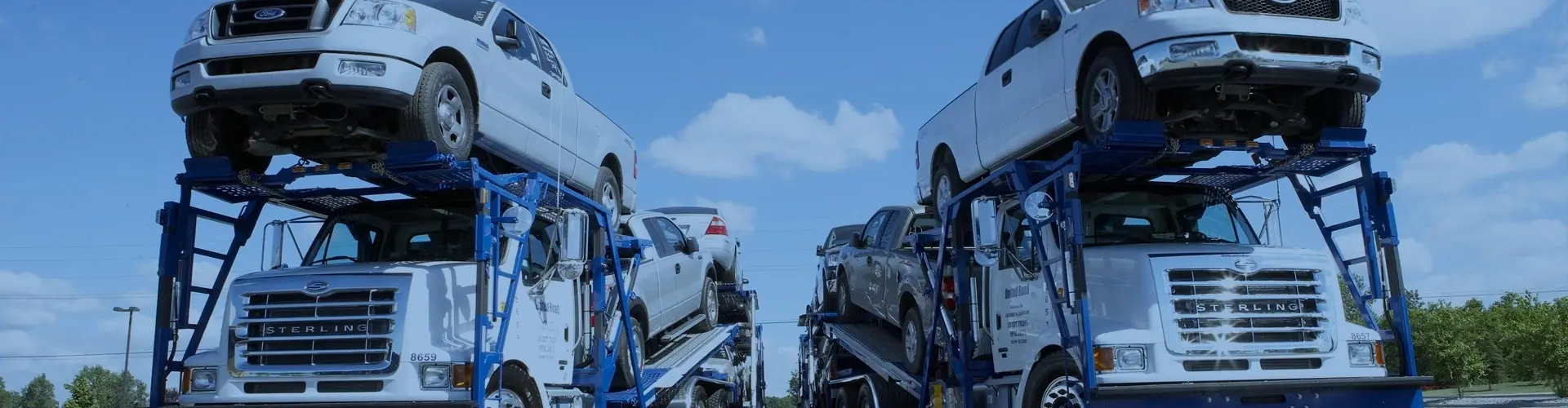
What an Auto Transport Carrier Actually Is
A carrier is the company that owns or operates the truck. Carriers hold their own DOT authority, insure their own equipment, and employ or contract the drivers who load, secure, and deliver the vehicle. When someone books directly with a carrier, they are working with the exact company that will touch their car from pickup to delivery.
What an Auto Transport Broker Actually Is
A broker does not own trucks. A broker’s job is to take a shipment’s details—origin, destination, vehicle type, timing—and match it to a carrier with available capacity on that lane, at that time, for a fair rate. Brokers hold their own FMCSA broker authority, separate from any carrier’s authority, and are required to work only with carriers that carry valid insurance and active operating status.
How the Two Work Together on a Single Shipment
In practice, a shipment often involves both. A customer requests quotes from a broker, the broker posts the job and negotiates with carriers actively running that route, and once a carrier accepts, that carrier’s driver handles the physical transport. The broker manages sourcing, paperwork, and communication; the carrier executes the physical move. Understanding this hand-off matters because it clarifies who is responsible for what if something goes wrong.
Why Most Companies a Customer Contacts Are Brokers
A carrier only knows the lanes its own trucks run that week. A broker network sees far more of the board—dozens of carriers, multiple lanes, and real-time capacity across Texas and beyond. That’s why broker-sourced quotes are usually faster to fill and more competitively priced: the job goes to whichever active, vetted carrier is already headed the right direction, instead of waiting on one company’s limited routes.
The Advantages of Working with a Broker
A broker widens access to capacity, which typically means faster matching and more competitive pricing than waiting on a single carrier’s availability. A reputable broker also screens carriers for active DOT authority and current insurance before assigning a job, adding a layer of verification most individual shoppers wouldn’t do themselves. If a carrier falls through, a broker can typically resource the job to another vetted carrier without the customer starting over.
When Booking Directly with a Carrier Might Make Sense
A direct carrier relationship can make sense for a very specific, recurring lane—a dealer moving inventory on the same route every week, for example—where one carrier’s schedule reliably matches the need. It can also appeal to someone who wants a single point of contact with zero hand-off. The trade-off is availability: if that one carrier doesn’t run the customer’s lane on the customer’s dates, there’s no backup option without starting the search over.
How to Verify Who You're Actually Working With
Every legitimate broker and carrier operating in Texas holds an MC number and DOT number. Either can be looked up on the FMCSA’s SAFER system, which shows operating status, authority type (broker, carrier, or both), and whether current insurance is on file. A company that won’t provide these numbers, or whose listed authority doesn’t match what it’s claiming to do, is a signal to keep looking.
Licensing and Insurance: Who Is Responsible for What
A broker’s insurance covers the broker’s own liability—errors in arranging the shipment—not damage to the vehicle in transit. The carrier’s cargo insurance is what actually covers the vehicle while it’s on the truck. This is why confirming the assigned carrier’s insurance, not just the broker’s, matters before pickup. A reliable broker will provide the carrier’s insurance certificate on request once a carrier is assigned.
Common Misconceptions About Brokers
A common assumption is that using a broker adds a hidden markup compared to “going direct.” In practice, brokers with wide carrier networks routinely secure competitive rates by matching a shipment to whichever active carrier is already running that lane, rather than pricing a truck’s downtime into the quote. Another misconception is that a broker has less accountability than a carrier. Licensed brokers carry their own bonding requirement and are subject to FMCSA oversight just as carriers are.
Texas Scenarios: Broker or Carrier in Practice
A single vehicle moving from Houston to Dallas on a flexible date benefits from a broker’s wide access to that busy corridor’s daily capacity. A snowbird shipping a car from the Rio Grande Valley on a fixed date benefits from a broker’s ability to resource the job if the first-assigned carrier’s schedule shifts. A dealer moving the same route weekly may find a direct carrier relationship simpler once trust is established. The right structure follows the shipment, not a blanket rule.
Questions to Ask Before Booking Either Way
Is this company a broker, a carrier, or both? What is the MC number, and does SAFER show it as active with current insurance? If a broker, which carrier will actually be assigned, and can that carrier’s insurance certificate be provided before pickup? What happens if the assigned carrier cancels—does the job get resourced, or does the customer start over? Clear answers to these four questions rule out most of the risk in either model.
Ready to Compare Broker-Sourced Quotes?
Understanding the difference between a broker and a carrier makes it easier to evaluate any quote that comes in.