
How Auction Vehicle Transport Differs From a Personal Shipment
An auction vehicle typically hasn’t been inspected in person by the buyer before purchase—the transaction relies on the auction’s condition report and photos. That makes the pickup inspection and Bill of Lading documentation at the auction lane the buyer’s real first look at the vehicle, and the baseline any later damage claim depends on. Treating this inspection as a formality, the way it might be for a car parked in a familiar driveway, is a mistake specific to auction purchases.
Condition Report Discrepancies
It’s not uncommon for a vehicle’s condition at auction pickup to differ, even slightly, from what the online condition report or photos suggested. Documenting the vehicle thoroughly at pickup—photos, notes on the Bill of Lading—creates a record of the vehicle’s actual condition when the carrier took possession, separate from any dispute the buyer may have with the auction house itself over the listing accuracy.
Auction Release Timing and Storage Fees
Most auctions charge storage fees on a purchased vehicle that isn’t picked up within a set window after sale, and some auctions require specific release paperwork or a released authorization from the buyer before a third-party carrier can take the vehicle. Coordinating the carrier’s pickup date with the auction’s release timeline—rather than booking transport first and figuring out release logistics after—avoids both storage charges and a wasted trip if the carrier arrives before the vehicle is actually released.
Title and Paperwork Handling
Dealer and auction transactions often move on a Manufacturer’s Statement of Origin, a power of attorney, or a title held by a lender or floor plan company rather than a simple owner’s title in hand. A carrier or broker doesn’t need to be involved in this paperwork to transport the vehicle, but confirming who has physical possession of any required release documents at pickup avoids a driver arriving to find the vehicle can’t legally be released yet.
Bulk and Multi-Vehicle Shipments
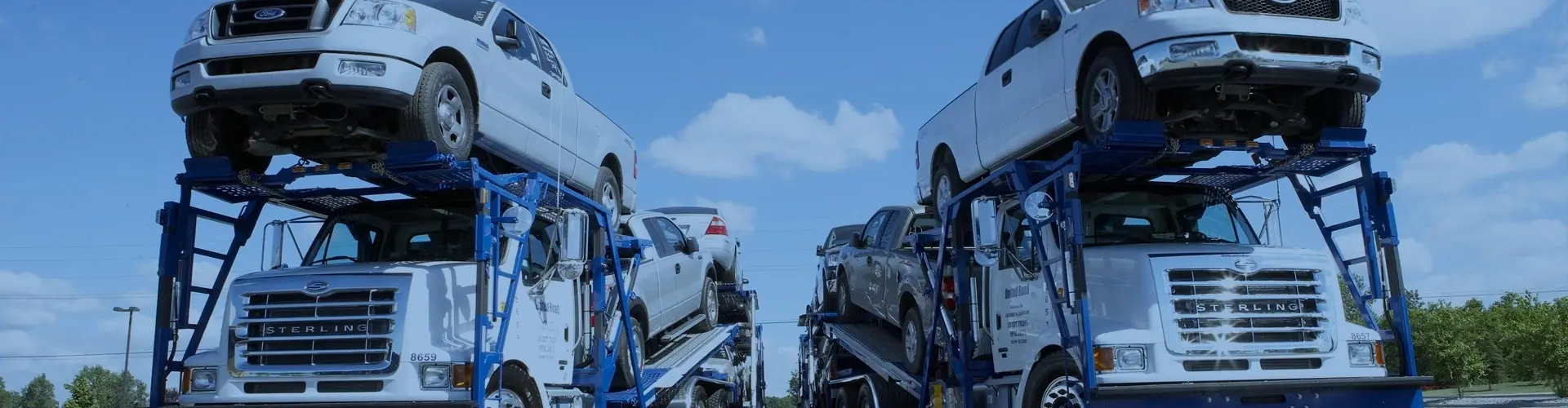
Dealers moving several vehicles at once—restocking a lot after an auction run, relocating inventory between locations—benefit from consolidated shipments on the same carrier rather than booking each vehicle separately. This typically improves per-vehicle pricing and simplifies coordination to a single pickup and delivery window instead of several independent ones.
Recurring Lane Relationships
A dealer running the same route regularly—a weekly auction run, a standing supply lane between locations—can benefit from a consistent broker or carrier relationship built around that specific lane, which was discussed as one of the scenarios where working directly with a known carrier can make sense rather than requoting from scratch each time.
Non-Operable Auction Vehicles
Auction vehicles are more likely than average to be non-operable—sold as-is with a mechanical issue disclosed or discovered. Confirming a carrier has winch capability and experience loading non-running vehicles before booking, and flagging this clearly when requesting a quote, avoids a mismatch between the equipment dispatched and the vehicle’s actual condition at pickup.
Insurance Considerations for Dealer Inventory
Standard carrier cargo insurance applies to dealer and auction vehicles the same as any personal shipment, but for a higher-value vehicle or a full truckload of inventory, confirming the policy’s per-vehicle and aggregate limits against the total shipment value is worth doing before a large multi-vehicle load, the same logic covered for high-value personal vehicles elsewhere.
Ready to Ship Your Dealer or Auction Vehicle in Texas?
Coordinating pickup timing with auction release, documenting condition thoroughly, and confirming paperwork ahead of time keeps dealer and auction transport moving without unnecessary storage fees or delays.