
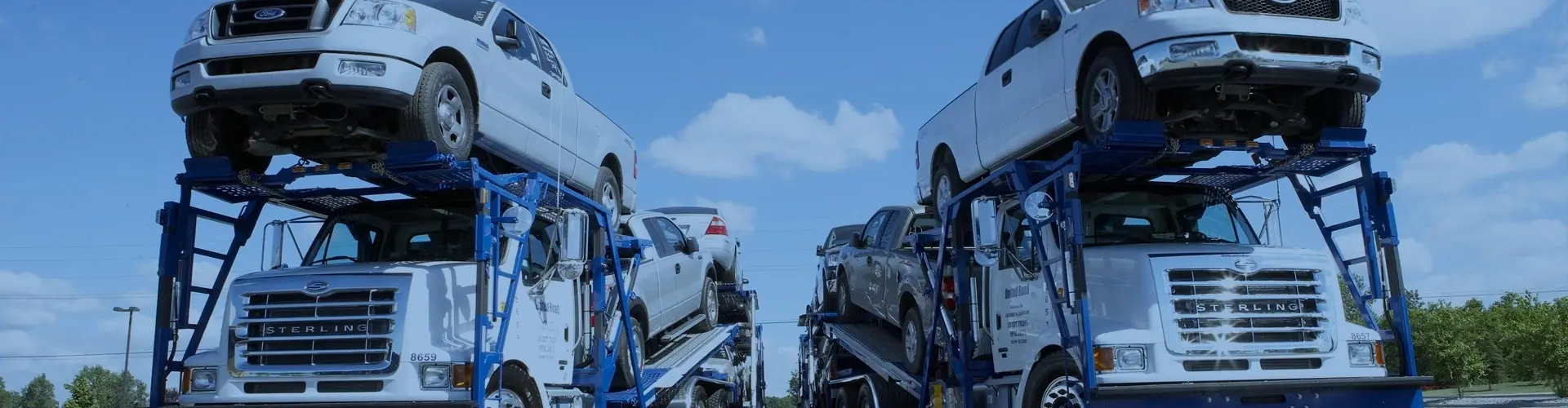
What Open Carrier Transport Actually Is
Open carrier is the standard, multi-level trailer seen hauling new vehicles from factories to dealerships—the same equipment moves most consumer shipments. Vehicles are exposed to weather and road debris during transit but are secured and insured the same as any professional shipment. It’s the most widely available equipment on any given lane, which generally means faster matching and lower cost.
What Enclosed Transport Actually Is
Enclosed transport uses a fully covered trailer, protecting the vehicle from weather, road debris, and public view during transit. Within enclosed, there’s a further split: hard-side trailers offer maximum protection and are common for high-value vehicles, while soft-side (curtain-style) trailers offer weather protection at a lower premium than hard-side but with less rigidity. Enclosed capacity is more limited than open, which typically means a higher price and sometimes a longer wait for a truck.
The Real Cost Difference
Enclosed transport typically runs meaningfully higher than open on the same route—the exact premium depends on lane, trailer type, and current capacity, which is why comparing several current quotes matters more than relying on a general rule of thumb. Hard-side enclosed generally costs more than soft-side enclosed. This premium reflects lower truck availability and additional handling care, not simply a markup for the same service.
When Open Carrier Is the Right Choice
For most daily-driver vehicles, a standard sedan, SUV, or truck being relocated for a move, job, or purchase, open carrier is entirely appropriate. Professional carriers secure and insure vehicles the same way regardless of trailer type, and the added exposure to weather during a multi-day transit rarely causes meaningful issues for an ordinary vehicle. Choosing open here isn’t cutting corners—it’s matching protection level to actual need.
When Enclosed Transport Genuinely Makes Sense
Classic, exotic, or high-value vehicles where resale value or originality depends on avoiding any road debris exposure. Vehicles with fresh paint or bodywork that hasn’t fully cured. Show cars or vehicles being delivered for a specific event with zero tolerance for cosmetic risk. Very low-clearance vehicles that also benefit from the careful loading procedures enclosed carriers typically use. In these cases, the premium is protecting real value, not just peace of mind.
Deck Position: Top-Load and Its Trade-Offs
On open carriers, top-load placement reduces exposure to road debris and fluid drips from vehicles on lower decks, and can sometimes be requested for an added fee. It’s a middle-ground option worth asking about for a vehicle that doesn’t need full enclosed protection but where extra care is still a priority.
Availability and Timing Differences
Open carrier’s wide availability generally means faster matching to a carrier and more flexible pickup windows. Enclosed transport’s smaller carrier pool can mean a longer wait to get matched, particularly on less-traveled routes. For a date-sensitive shipment, this availability gap is worth weighing alongside the cost difference.
Insurance Coverage: Does It Differ Between the Two
Both open and enclosed carriers must carry cargo insurance to operate legally, and coverage requirements don’t change based on trailer type. What can differ is the valuation coverage a customer chooses to carry for a particularly high-value vehicle—worth discussing directly with the assigned carrier regardless of which trailer type is used.
How to Decide: A Simple Framework
Would meaningful cosmetic damage from weather or road debris significantly affect this vehicle’s value or the owner’s peace of mind? If yes, enclosed is likely worth the premium. If the vehicle is a standard daily driver being relocated for practical reasons, open carrier delivers the same safe, insured transport at a lower cost with faster matching.
Ready to Compare Open & Enclosed Pricing?
Comparing real quotes for both options on a specific route is the clearest way to weigh cost against protection.