
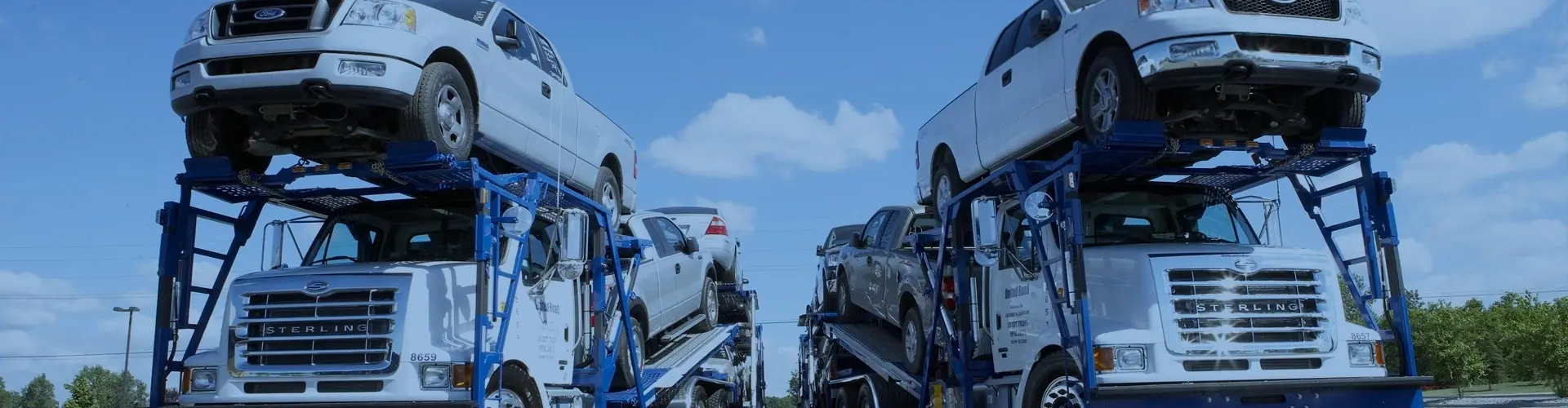
Why “Door-to-Door” Doesn’t Always Mean the Literal Front Door
Door-to-door service means the carrier gets as close to the pickup or delivery address as the truck can safely and legally access—not a guarantee it can pull into every driveway. For most suburban and urban Texas addresses, that’s the same thing. For a rural property down a narrow caliche road, behind a low bridge, or on a street with tight turns and low-hanging trees, it isn’t.
Common Texas Access Limitations
Narrow farm-to-market and county roads without shoulder room for a large trailer to pass or turn around. Low water crossings and low bridges with clearance limits. Unpaved or caliche roads that a heavy trailer risks getting stuck on, especially after rain. Gated ranch entrances or cattle guards not built for commercial trailer weight. HOA or subdivision restrictions on commercial vehicles, common in some master-planned Texas communities. Any of these can turn a straightforward delivery into one requiring a nearby meeting point.
How Meet-in-Town Delivery Works
When the exact address isn’t accessible, the driver and customer agree on a nearby meeting point with enough room for the trailer—commonly a large parking lot, a truck stop, or a wide commercial street. The driver typically calls ahead as the delivery approaches to coordinate timing and confirm the location, and the vehicle is unloaded there instead of at the original address.
Choosing a Good Meeting Point in Advance
A grocery store or big-box retail parking lot, a truck stop along a highway, or a church or school lot outside of active hours all tend to work well—flat, wide, with enough room for a truck to pull in, unload, and turn back out. Scouting a specific location ahead of the delivery date, rather than figuring it out during the driver’s call, saves time for both sides.
How to Know in Advance If This Applies
When booking, describe the pickup or delivery location honestly, including road type, any bridges or gates, and whether a large commercial truck has been to the property before. A broker or carrier familiar with the area can usually say upfront whether direct access is realistic or a meeting point should be planned for, which avoids a surprise phone call the day of delivery.
This Isn’t a Sign of a Problem
A driver requesting a meeting point isn’t cutting corners or trying to avoid the job—it’s a safety and liability decision, since getting a loaded trailer stuck or damaging a low bridge or narrow road creates real problems for everyone involved. Treating this as routine, rather than as the carrier failing to deliver as promised, keeps the day low-stress.
Preparing for a Rural Pickup or Delivery
Confirm cell phone coverage at the property or meeting point, since coordination typically happens by phone as the driver approaches. Have a backup contact number if coverage is unreliable. Plan to drive the vehicle the short remaining distance yourself if delivery happens at a meeting point rather than the property itself, and confirm that’s the expectation ahead of time.
West Texas, Hill Country, and Similar Terrain
Wide-open West Texas ranch roads and Hill Country’s narrow, hilly county roads present different but related challenges—distance and remoteness in one case, tight turns and elevation in the other. Both benefit from the same solution: an honest description of the property at booking and a planned meeting point discussed before pickup day.
Ready to Plan Your Rural Texas Delivery?
A quick, honest conversation about property access at booking prevents almost every surprise on delivery day.