
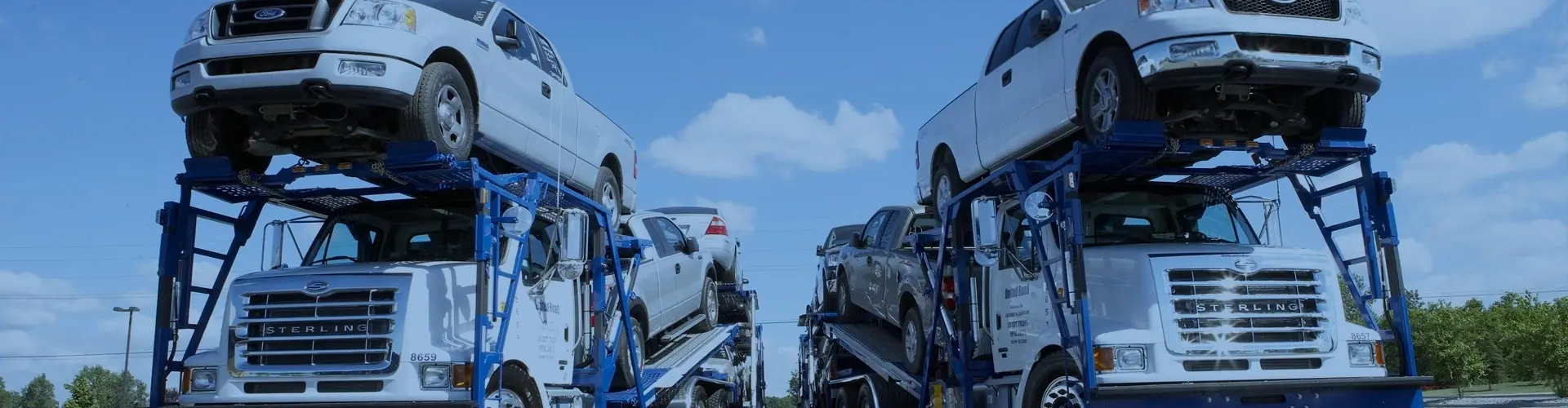
What Terminal to Terminal Auto Transport Means
Terminals are secure facilities where carriers stage vehicles between routes. Staff receive your car, complete a condition report, store the vehicle for a defined period, and release it to the assigned truck. At destination, staff receive the unit, record the condition, and release it to you or a contact with your authorization. Terminal to terminal auto transport replaces curbside handoffs with controlled locations that operate on posted schedules.
How Terminal Service Differs From Door to Door
Door to door auto transport sends the truck close to your address, subject to safety and local rules. Street width, turns, trees, wires, and HOA rules can block access. A terminal removes those barriers. You drive to a known lot, finish the inspection, and hand off the keys. You choose when to arrive within the posted hours; at delivery, you plan your pickup the same way. You trade curbside convenience for consistent access and timing.
When Terminal to Terminal Is a Smart Choice
Pick terminals when your home or office sits on a tight street or inside a restricted community. Choose terminals when you cannot meet a truck during a narrow pickup window. Use terminals during peak season when carriers move faster through controlled yards. Terminals also help if a friend or family member will drop off or pick up for you, since staff verify identity and follow clear procedures.
Benefits You Gain With Terminals
You gain predictable handoff hours, a safe staging area, and fewer access surprises. In many Texas metros, terminals shorten load times, which supports tighter schedules. On busy corridors, terminal use can stabilize pricing because trucks avoid slow residential approaches. You can plan your day around posted office hours rather than a moving curbside target.
Tradeoffs to Consider
Storage can add cost after a grace period. Many terminals store outdoors. You must plan your own travel to and from the lot. Terminal handoffs add two controlled touchpoints, one at origin and one at destination. These steps add time, but they reduce failed attempts at hard addresses. Confirm storage terms and hours so you avoid unplanned fees.
How Pricing Works
Your auto transport quote includes line haul between metros and any terminal fees. Price depends on distance, route density, vehicle size, season, and capacity. Open carrier service usually costs less than enclosed transport. Expedited timing increases price. Storage fees begin after the grace period, billed per day. Always ask for the grace period and daily rate at both ends. Compare quotes line by line; confirm what is included and what is payable at pickup or release.
Texas Scenarios Where Terminals Help
Central Austin has narrow streets and limited staging. A terminal handoff avoids citations and delays. Inner loop Houston and downtown Dallas have heavy traffic and parking rules that limit loading. A terminal near a freeway keeps the truck on schedule. Historic areas in San Antonio and older neighborhoods in Fort Worth have trees and tight turns; terminals remove those constraints. For long stretches in West Texas, terminals reduce last mile deadhead and help keep timing predictable.
Open Carrier or Enclosed Transport With Terminals
Both options work with terminals. Open carrier capacity is broad and usually priced lower. Enclosed transport protects against weather and road particles and fits high value units. If you plan multi day storage, enclosed transit to the destination terminal reduces exposure during the line haul, though the car may still sit outdoors at the lot if indoor storage is not available. Ask for both options so you can weigh protection against price.
How Drop-Off at Origin Works
You arrive during posted hours with your ID, reservation, and keys. Staff record the condition and the odometer. You sign the Bill of Lading and receive a copy. You remove personal items and leave about a quarter tank of fuel. If the vehicle is inoperable, staff schedule the right bay and equipment. You receive updates when the unit gates onto a truck and when the truck departs.
How Pickup at Destination Works
You present your ID and the release documents. You inspect the car before you sign. You compare to your origin photos. If you see an issue, you note it on the paperwork and take photos from the same angles. You settle any storage fees and collect a receipt. You drive out after the release completes.
Insurance and Liability at Terminals
Auto transport insurance covers carrier liability while the vehicle is in the carrier’s care, custody, and control. Terminal operators often hold separate liability policies for vehicles on their lot. Ask for proof of coverage, limits, and exclusions. Take time stamped photos at drop off and pickup, including the roof, wheels, and odometer. Keep all paperwork. Clear documentation supports a fast resolution if you need to file a claim.
Storage Policies You Should Confirm
Ask about the grace period, daily rates, weekend or holiday rules, and late pickup procedures. Confirm hours for receiving and release. Some lots allow after hours appointments for a fee; others do not. If your travel plans are uncertain, budget a storage cushion and keep dispatch updated on your expected pickup day.
How Terminals Affect Timing
Terminals can shorten the handoff because trucks can load and unload faster in a controlled area. On some routes, terminals increase predictability because the driver avoids multiple residential attempts. Transit time between terminals depends on distance, carrier cadence, and season. Plan around a realistic delivery window and confirm status at each leg.
Preparing Your Vehicle for Terminal Handoffs
Wash the car so photos capture the condition. Remove toll tags and personal items. Secure loose accessories. Disable alarms or provide instructions. Keep the battery charged. If the unit does not run, disclose that when you request quotes so staff prepare a winch or a forklift plan that fits the vehicle type. Label spare parts if they travel in a container or with special permission; many terminals restrict loose contents, so confirm rules in advance.
EVs and Specialty Vehicles
For EVs, note the state of charge and provide a charge cable if the vehicle may sit several days. Terminals may restrict charging, so plan a moderate state of charge that supports shuffling inside the yard. For low clearance cars, ask about ramps and bay availability. For lifted trucks and tall vans, confirm height limits at gates and on trailers.
How to Choose a Quality Terminal
Ask about fencing, cameras, lighting, and on site staffing. Confirm paved versus unpaved surface. Request posted hours and holiday closures. Ask if indoor storage is available and at what rate. Confirm who holds liability while the car is in storage. These factors affect risk and convenience.
Why Quotes Differ Between Carriers
Carriers operate different networks and have different terminal partners. One carrier may own a yard near your origin and include storage and handling in the base price. Another may use a third party lot and itemize fees. Capacity changes by lane and season, which shifts price and timing. This is why you should compare offers from multiple providers and review the inclusions and exclusions side by side.
Door to Door vs. Terminal to Terminal
Choose door to door auto transport when your addresses support safe access and you want curbside convenience. Choose terminal to terminal auto transport when streets are tight, when your HOA restricts trucks, when you need posted hours, or when you want to avoid special last mile equipment. If you are unsure, request both options in your quotes and choose based on total cost and timing.
Texas Terminal Examples
Dallas Fort Worth has multiple logistics yards near major interstates, which simplifies drop offs and releases. Houston has terminals near I-10 and the beltway with long operating hours. San Antonio and Austin use regional facilities that sit near loop roads for easy access. El Paso and Laredo support cross border logistics; plan for heavy traffic during certain periods and confirm hours in advance. Your coordinator will suggest the closest practical option based on your address.
Communication That Keeps Your Schedule on Time
Confirm terminal addresses, hours, and entrance notes before you drive over. Share a map pin and a photo of the entrance with anyone helping you. Keep your phone on for dispatch updates. Respond quickly to messages about truck arrivals and yard releases. Small steps like these prevent delays.
Common Mistakes to Avoid
Do not miss the receiving cutoff. Do not assume indoor storage unless it is written. Do not leave personal items in the car if the terminal restricts contents. Do not skip photos at handoff. Do not ignore the storage clock; fees start after the grace period ends.
How Texas Auto Transport Helps You Decide
We present up to 10 free quotes from bonded and insured carriers. You can compare terminal to terminal auto transport with door to door, open carrier with enclosed transport, standard timing with expedited timing. You see storage terms, grace periods, and daily rates in writing. You choose the plan that fits your address, your schedule, and your budget.
Plan Your Shipment Now
Share your pickup and delivery metros, preferred terminals if you have them, vehicle details, target dates, and any access notes. Ask for standard and expedited pickup windows. Ask for open and enclosed pricing. Review your options and select the plan that meets your goals. Your coordinator will confirm the yard addresses, hours, and any storage terms.
Ready to Compare Terminal & Door-to-Door Options?
You’ll receive up to 10 free quotes for Texas auto transport, with pricing, timing, storage terms, and equipment in clear language.