
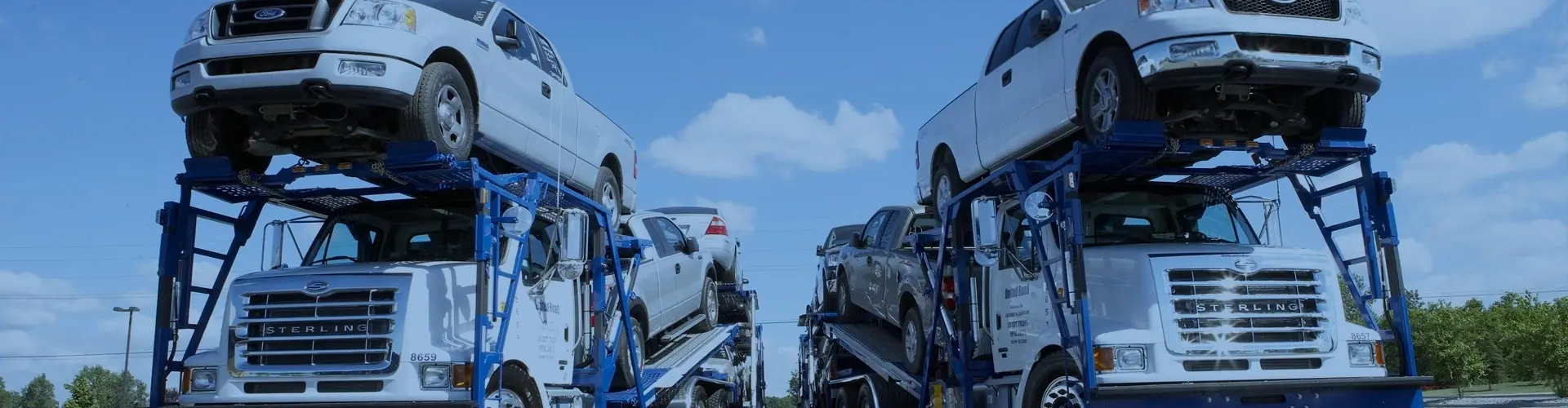
How International Auto Transport Works From Texas
Your move starts with pickup at your address or a local meet. A licensed carrier transports the vehicle to a Texas load port. Common options include the Port of Houston, Galveston, Freeport, and Corpus Christi. A forwarder books space on a vessel, completes export formalities, and coordinates terminal handling. The ship departs and arrives at the destination port. An agent clears customs and releases the vehicle. You collect the car at the port or arrange delivery to your final address. Your quote should identify each leg, the provider responsible, and the cost for that leg.
RoRo Shipping vs. Container Car Shipping
RoRo shipping loads the car onto a roll on roll off vessel. The unit must roll, steer, and brake. Terminal staff secure it inside the ship. RoRo offers frequent sailings on many lanes and often the most efficient price for standard vehicles. Personal items are restricted. Container car shipping places the vehicle in a 20 foot or 40 foot container. You can book a dedicated container or use consolidated service. Containers protect high value vehicles and allow non running cars with proper loading gear. Containers can carry permitted parts and accessories according to carrier rules. Handling steps and terminal time increase compared to RoRo, which affects cost and schedule.
Service Models You Can Request
Door to port includes pickup at your address and handoff at the Texas port. Port to port starts with your drop off at the origin terminal and ends with your pickup at destination. Port to door adds delivery after customs release. The right model depends on your location, your timeline, and your comfort with destination procedures. If you need a single coordinator until your keys are in hand, request door to door service with a forwarder partner on the destination side.
Documents and Compliance
Export rules require a clear paper trail. You provide the original title, a copy of your government ID, and a notarized lienholder release if a lender holds the title. The forwarder files the export in the Automated Export System and issues an ITN. U.S. Customs and Border Protection verifies the title before export. The port requires the vehicle to be present for inspection within the stated window. Destination countries require identity documents, a local address, and tax numbers where applicable. Some require pre shipment inspections or age limits for used cars. Confirm right hand or left hand drive acceptance and emissions rules before you book.
Insurance for Ocean and Inland Legs
Ocean carriers limit liability under maritime law. Add marine cargo insurance to protect your vehicle during port handling and ocean transit. Choose total loss only or all risk coverage. Premiums depend on vehicle value and route. Inland trucking has separate carrier liability. Ask for certificates that show coverage by leg and any deductible. Photograph the vehicle at pickup, at the port lot, and at delivery with time stamps to support documentation.
Pricing Mechanics You Should Understand
Your international auto transport price includes inland miles, export paperwork, terminal handling, ocean freight, and destination charges. RoRo rates use length, height, and weight tiers. Container rates bill per box with surcharges for special handling. Seasonal demand and fuel affect both inland and ocean pricing. Currency and carrier capacity also change rates. Quotes differ because some providers include documentation and port fees in the base price while others list them as destination payable. Review inclusions and exclusions before you choose.
Transit Times and Scheduling
From Texas ports to Europe, typical sail times range from three to five weeks depending on the service and transshipment. To Latin America, many lanes run in one to three weeks. To the Middle East and Asia, sail times often range from four to seven weeks or more. Add time for inland pickup, port cutoffs, customs verification, and destination release. Your coordinator should provide a pickup window, a terminal delivery cutoff, a booked vessel name, and an estimated time of arrival. Ask for a booking number for tracking and status updates.
Texas Origin Ports and What to Expect
Port of Houston offers frequent container service and access to RoRo lines. Galveston supports RoRo cargo and project shipments. Freeport and Corpus Christi support select services and breakbulk moves. Each terminal has its own gate process, hours, and appointment rules. Arrive with identification, booking references, and any release forms. Follow terminal safety rules and allow time for inspection and paperwork.
Preparing Your Vehicle
Clean the car so condition photos show surfaces. Reduce fuel to a safe level. Remove personal items unless your service permits specific contents. Disable alarms or provide instructions. Provide two keys if possible. Confirm the battery holds charge. Fix leaks before port delivery. For non running vehicles, state the condition when you request quotes so the carrier assigns a winch or a suitable loading method. Keep the title secure and follow the forwarder’s instructions for title submission.
Destination Customs and Delivery
At destination, the agent presents the Bill of Lading and your documents. Customs clears the shipment and assesses any taxes and fees. The terminal releases the car after payment and approval. You can pick up at the port or schedule delivery to your address. Some countries require inspections or registration steps before you can drive on public roads. If you plan a temporary stay, ask about temporary import permits and how to avoid permanent duties when allowed by local law.
When to Choose RoRo
Choose RoRo shipping when the vehicle runs, fits standard dimensions, and you want frequent sailings and efficient pricing. RoRo reduces handling touches because the unit drives on and off. RoRo is a strong choice for stock vehicles and many family cars.
When to Choose Containers
Choose container car shipping for high value vehicles, modified cars with low clearance, or non running units. A sealed container provides a controlled environment and allows special bracing and soft tie methods. Containers allow certain parts and accessories where rules permit. You trade more handling steps and higher cost for higher protection and flexibility.
Why Quotes Differ Between Companies
Forwarders and carriers have different contracts, sailing schedules, and inland networks. One may hold space with a RoRo line on your dates. Another may use a service that calls your destination every other week. Inland carriers price Texas pickup based on distance and current capacity. Some providers include export paperwork and terminal fees in the quote. Others bill those fees at origin or destination. Compare line items and timing so you understand the total.
Common Mistakes and How to Avoid Them
Do not miss the terminal cutoff. Schedule pickup with margin. Do not pack household goods without checking rules. Many carriers restrict personal items. Do not leave the title in the glove box. Keep it secure until instructed to submit it. Do not assume same day terminal release. Plan time for customs and yard processing. Confirm storage grace periods and daily rates at both ends to avoid surprise costs.
EVs, Classics, and Specialty Vehicles
For EVs, confirm acceptance rules for batteries and state of charge. Some RoRo services limit EV bookings. Containers can fit EV risk policies better on some lanes. For classic and luxury vehicles, containers with custom bracing and soft straps reduce touch points. For oversize units, flat racks or breakbulk options require special planning and higher cost. Share full dimensions and condition to receive accurate quotes.
Security and Storage
Terminals use access control, cameras, and guards. Storage fees apply after a grace period. Reduce storage by timing your terminal delivery to match the booked vessel. If you need storage at destination, ask about bonded warehouses and indoor options. Availability and pricing vary by port.
Tracking and Communication
You receive a booking number after the vessel space confirms. You can track the vessel on the carrier site. Your coordinator should notify you when the vehicle gates in, when the ship departs, and when it arrives. Keep your contact information current and answer calls during pickup and delivery windows.
How Texas Auto Transport Helps You Plan
You receive clear pricing and schedules from teams that handle international auto transport every day. Every provider you compare is bonded and insured. You will see door to port, port to port, and port to door options, plus RoRo shipping and container car shipping on the same screen. You decide based on protection level, timing, and total cost.
What to Confirm Before You Book
Confirm pickup window and terminal cutoff. Confirm RoRo or container. Confirm included fees and any destination payable charges. Confirm the storage grace period and daily rates at both ports. Confirm insurance, coverage limits, and deductibles. Confirm who sends updates and how to collect the vehicle at destination. Written confirmation reduces delays and protects your budget.
Next Steps
Gather your title and ID. Share accurate pickup and destination details. Decide between RoRo shipping and container car shipping. Decide which model fits, door to port, port to port, or port to door. Request quotes that show insurance options. You will see total costs and timelines and you can select the right plan with confidence.
Ready to Ship Overseas With Confidence?
You’ll receive up to 10 free quotes from trusted companies showing schedules, methods, documents, and insurance in clear terms.