
How Calculators Work and Why They Miss the Real Price
Most calculators just multiply your mileage by a historical rate and add a generic factor for size. They don't ask about curb access, HOA rules, roof racks, lift kits, low ground clearance, or whether you'll need open carrier or enclosed transport. They don't check today's carrier boards or an actual dispatcher's route. That's why the number looks clean but the verified quote you get later can be different. Calculators are working off yesterday's averages, while carriers price the exact route a real truck will run this week.
Live Capacity and Direction Change the Price
Trucks don't spread evenly across I-35, I-45, I-10, and I-20. Shipping from Dallas–Fort Worth to Austin can cost a different amount than shipping the same distance the other way, depending on where trucks happen to be that week. Oilfield activity, events, and the time of year all pull capacity in and out of different lanes. A calculator has no way to know where drivers actually are right now. A real Texas auto transport quote is based on where trucks are positioned today, and how quickly your shipment can be matched without a driver having to backtrack empty.
Access and Staging: Not Every Address Works the Same Way
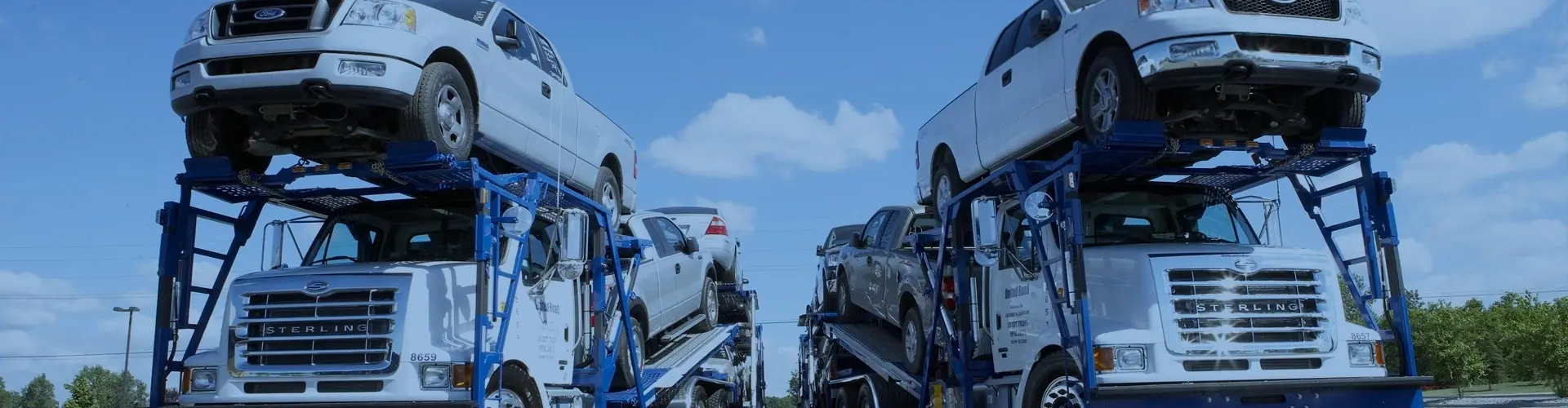
True door-to-door service works great, until a 75 to 80 foot truck runs into a tight cul-de-sac, low tree branches, a steep driveway, or downtown loading restrictions. When that happens, the usual fix is to meet the driver nearby, on a wide, flat road or in a lot with permission to use it. That keeps the ramp angle safe and avoids tickets or delays. Calculators never ask where a truck can actually park and load. An accurate car shipping quote does, because it directly affects your pickup window and delivery window.
Equipment Choices Aren't Interchangeable
Choosing between open carrier and enclosed transport isn't just a style preference. It changes how many vehicles fit on the truck, how long loading takes, and which routes are available. Requests like top-load placement on an open trailer, or a liftgate for enclosed transport, add precision to the job and sometimes add cost. A low-clearance sports car, fresh paint, or a delicate body kit may need equipment a calculator never considers. A quote that specifies the actual equipment is pricing your real job, not a generic per-mile rate.
Operability and Extra Labor: Winches, Skates, and Time on Site
Does the vehicle start, steer, and brake on its own? If not, the driver may need a winch service, skates, or dollies to load it. Some auctions and storage yards use forklifts for cars that can't roll, which adds risk, fees, and time to the appointment. Calculators almost never ask about any of this, but it directly affects how long the driver is on site and what equipment they bring. Those are two of the biggest inputs to the final price.
EV and Hybrid Details Affect the Price
Electric vehicles tend to be heavier and sit lower than comparable gas vehicles. They need a healthy 12-volt battery to shift into transport mode or neutral, and they ship best at a moderate state of charge, usually 30–50%. Some EVs need to go on the lower deck of an open trailer, or onto enclosed transport with a liftgate to control the approach angle. These details affect how the vehicle fits on the truck and how long loading takes, and no generic calculator can see any of it.
Seasonality and Weather Fronts
Holidays, college move-in weeks, auction weeks, and sudden cold fronts or thunderstorms all change traffic and how easy a vehicle is to load. Drivers slow down for ice on bridges or reroute around closures. A calculator can't price weather or event congestion that hasn't happened yet. A real quote builds in a realistic timeframe so your schedule can actually hold up on real roads.
Tolls, Ports, and Terminals Add Their Own Costs
Some Texas routes use toll roads to save time. Port or terminal handoffs come with their own requirements, like credentials, gate hours, and paperwork. If a terminal ends up holding your vehicle for a while, storage policies start to matter too. A calculator just lumps everything into a per-mile number. A real quote tells you whether tolls or terminal steps apply to your shipment, and whether they're included in the price or billed separately. That distinction matters if you're comparing quotes side by side.
Why Distance Alone Doesn't Set the Price
Two 400-mile trips aren't automatically equal. One might run straight down the interstate with easy places to load and unload. The other might cross hills, construction zones, and busy downtown areas where loading is restricted. Miles driven in a city take longer than miles driven on open rural highway. A calculator that just multiplies distance by a flat rate can't tell the difference between those two trips. A dispatcher pricing your actual job can.
Windows, Guarantees, and What Speed Actually Costs
Standard pickup windows and delivery windows give dispatchers room to plan efficient routes. Ask for priority dispatch or a guaranteed pickup/guaranteed delivery window instead, and you're taking away that flexibility, so speed goes up and so does the price. A calculator assumes you have flexibility. Your actual plan might not. A real quote tells you exactly what that certainty costs on your lane this week.
Why the Details You Give Us Matter
The exact address or nearest cross streets, gate codes, guard instructions, how wide or steep your street is, your earliest pickup date and latest delivery date, the vehicle's total height, roof racks, lift kits, ground clearance, and whether it runs all matter. The more precise you are with these details, the more accurate and competitive your real quotes become.
How to Read Quotes “Apples to Apples”
Don't just look at the bottom-line total. Confirm whether it's open carrier or enclosed transport, which deck you'll be on (top-load or lower), where the meet-up location is, what equipment is included like a liftgate or long ramps, any extra steps for EVs, your pickup window and delivery window, and what happens if the carrier misses a window for reasons within their control. Clear terms are worth more than an optimistic-sounding price.
Budget Strategies That Don't Risk Delays
A few things can lower your cost without adding risk of delay: offering a half-day pickup window instead of an exact hour, agreeing to a truck-friendly meet-up spot, keeping the fuel tank around a quarter full, removing personal items from the vehicle, and giving a backup contact who's reachable. If you don't need enclosed transport, open carrier with top-load placement is a good middle ground. If you do need enclosed, consider a firm pickup date with a preferred delivery window instead of paying for two hard guarantees.
Texas Scenarios That Calculators Get Wrong
A condo in downtown Austin with strict loading windows: a realistic quote plans a meet-up on a nearby main road and schedules it during daylight for the inspection photos. A home in the Hill Country with a steep driveway: a realistic quote specifies long ramps or an enclosed liftgate and a flat spot to stage the truck. A DFW suburb with tall trees and an HOA that watches for trucks: a realistic quote builds in a quick meet-up that keeps the schedule on track and avoids a citation. A calculator can't see any of that.
Documentation Takes Five Minutes and Protects You
At pickup, fill out the Bill of Lading and take time-stamped photos of every side of the car, the roof, the glass, the wheels, the VIN plate, and the odometer if you can see it. Do the same thing again at delivery before you sign anything. If it's dark or wet outside, dry the panels first and use a bright, even light for the photos. Good documentation like this keeps small disputes from turning into delays, and it speeds up any claim if you need to file one.
Why Multiple Quotes Beat Any Calculator
Every carrier is looking at a different board and has different capacity available. Comparing several written auto transport quotes shows you the real market for your dates: what faster timing actually costs, which equipment is available right now, and which access plan makes sense for your addresses. That gives you a much better picture than any single average number ever could.
How Our Process Works
You share your addresses, timing, vehicle details, and any access notes. We send back up to 10 free quotes that spell out the equipment, windows, and meet-up plans in writing. You choose the balance of price, protection, and speed that works for you, and we confirm the terms so the dispatcher and driver are on the same page. The result is a plan that actually works on real roads, not just one that looks good on paper.
Common Calculator Myths, Debunked
Myth: the price per mile is fixed. Reality: it changes week to week depending on how many trucks are on that lane, which direction you're going, and how your vehicle fits on the deck. Myth: distance explains the whole price. Reality: access and how long the driver spends on site matter just as much. Myth: an instant online price is the same as a booking. Reality: the real price is the one a carrier actually agrees to for your addresses and terms. Getting real quotes is the only way to see all of that clearly.
Ready to Skip the Guesswork?
Compare real Texas auto transport options side by side: prices, pickup windows, delivery windows, equipment, and access plans, all in one place.